Hybrid Cooling System

- Air coolers can make rooms more humid, while air conditioners can sometimes cause throat dryness and discomfort.
- Air conditioners can also be expensive to run, leading to high monthly electricity bills.
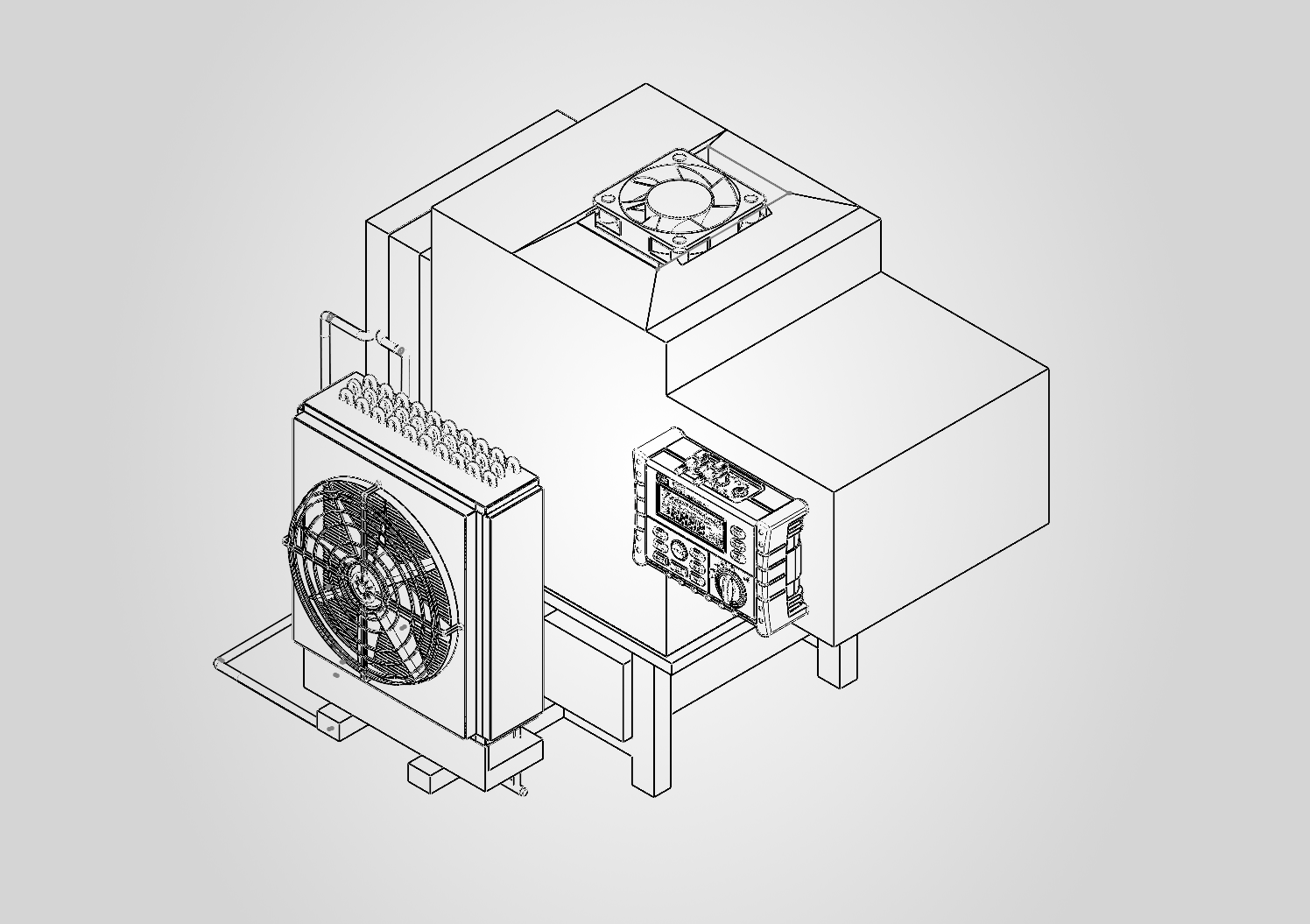
- Designed a hybrid cooling system integrating Indirect Evaporative Cooling (IEC), Direct Evaporative Cooling (DEC), and Direct Expansion (DX) modes.
- Developed a control algorithm to switch between cooling modes based on ambient conditions, helping balance cooling performance and electricity consumption.
- Integrated sensors and an ESP32-based controller to support automatic operation and system monitoring.
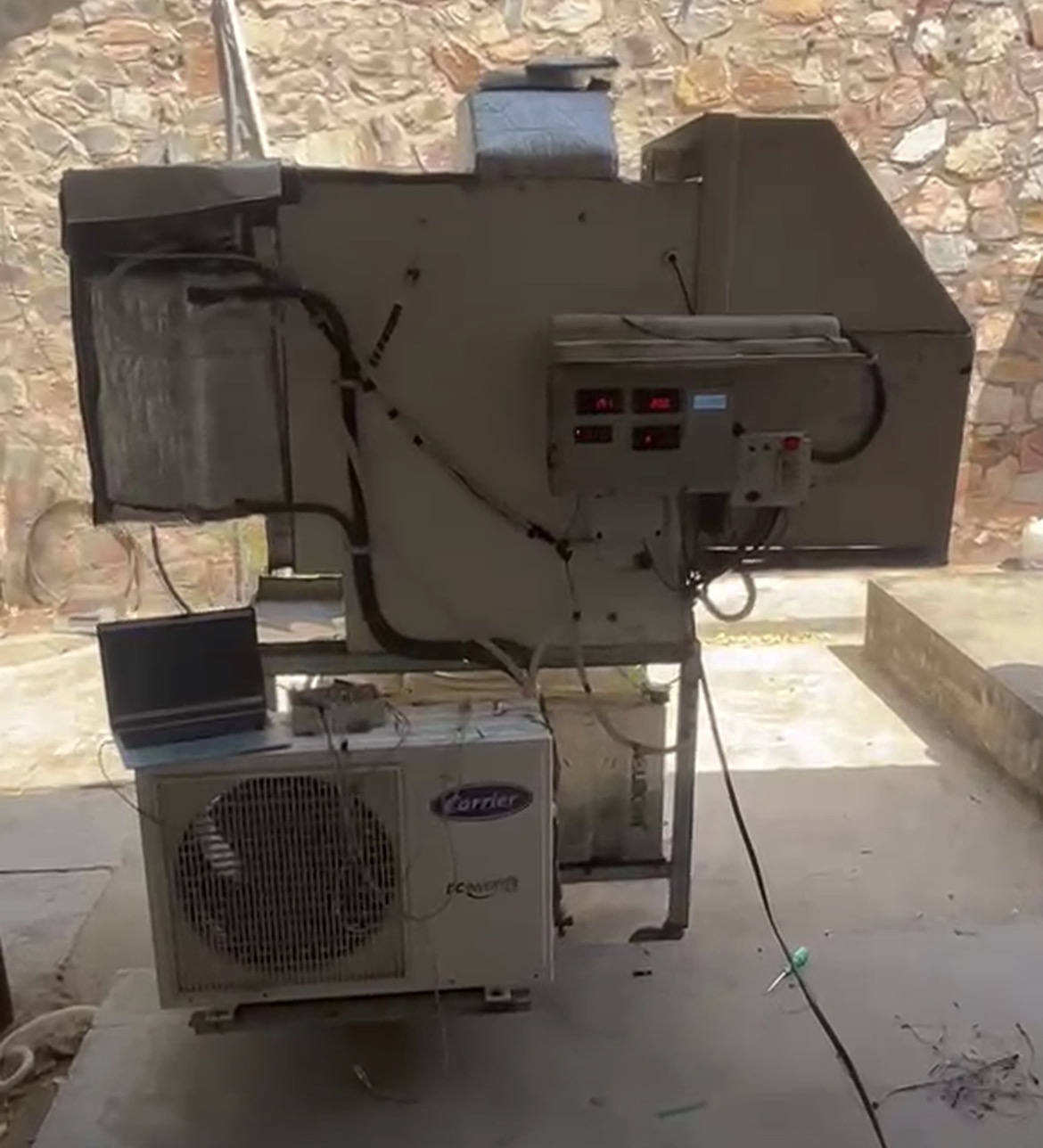
- Reduced estimated energy consumption by 37%, potentially lowering monthly electricity costs from ₹2,000 to ₹1,250.
- Minimized throat dryness and irritation by combining different cooling methods to improve indoor comfort.
Indirect Evaporative Cooling (IEC): Outside air passes through a heat exchanger, where it is pre-cooled without directly adding moisture to the air.
Direct Evaporative Cooling (DEC): The pre-cooled air passes through a water-based cooling section, where evaporation lowers its temperature further but increases humidity.
Direct Expansion (DX): The air then passes through the AC cooling coil, where refrigerant provides final cooling and helps control humidity before the air enters the room.
The Assembly
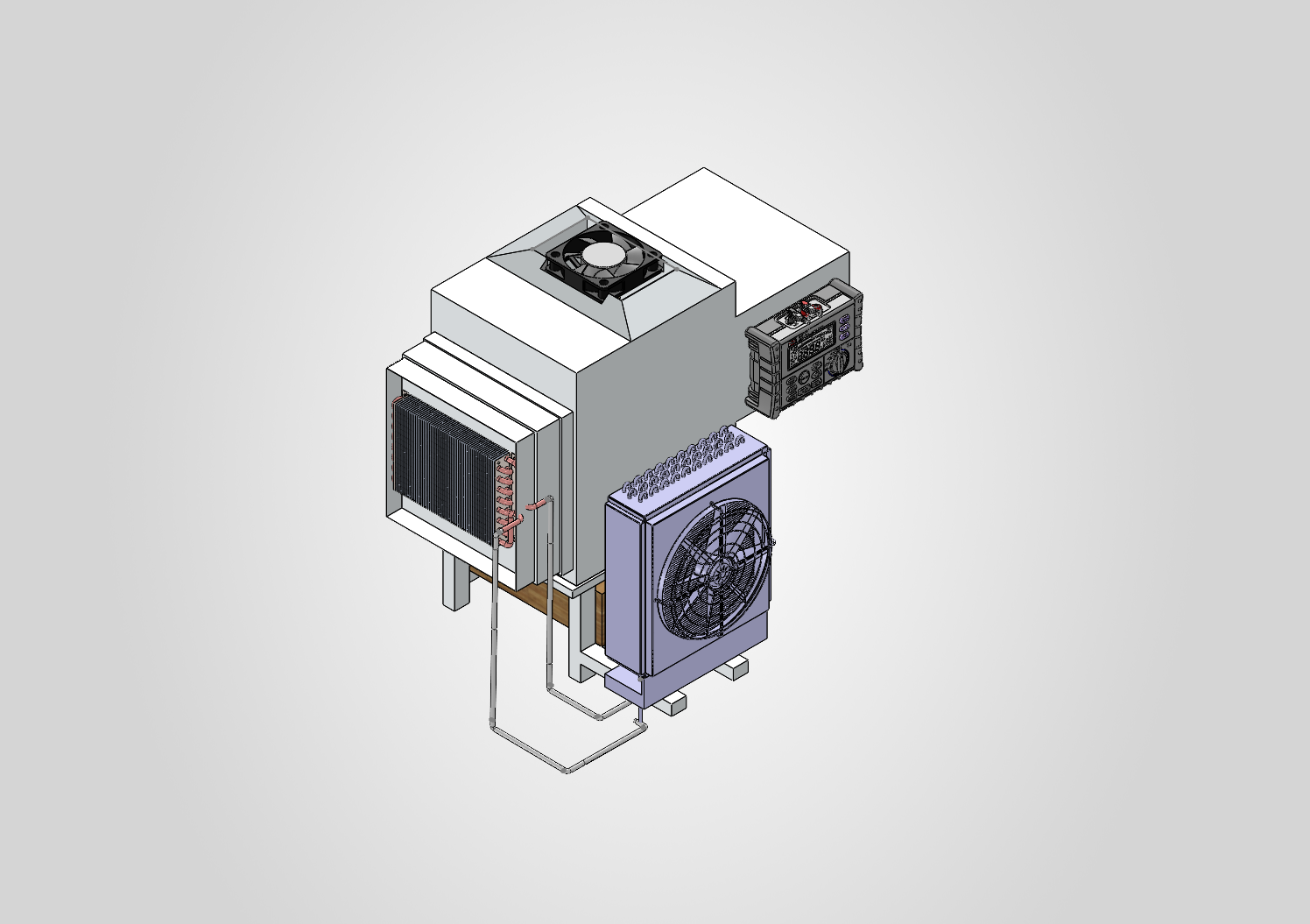
Component Breakdown
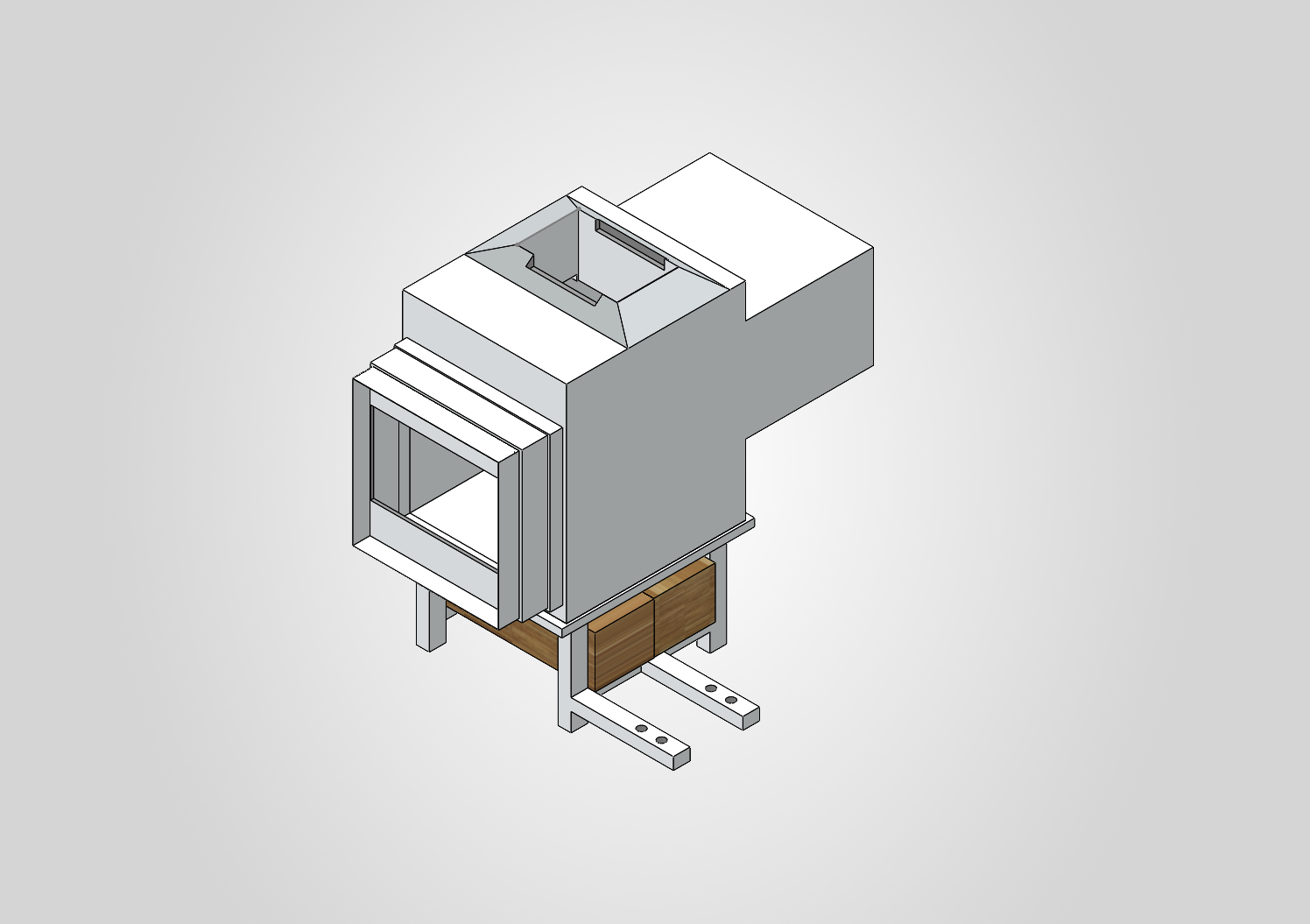
Body
Provides structural support and houses the cooling system components
Material: Mild steel
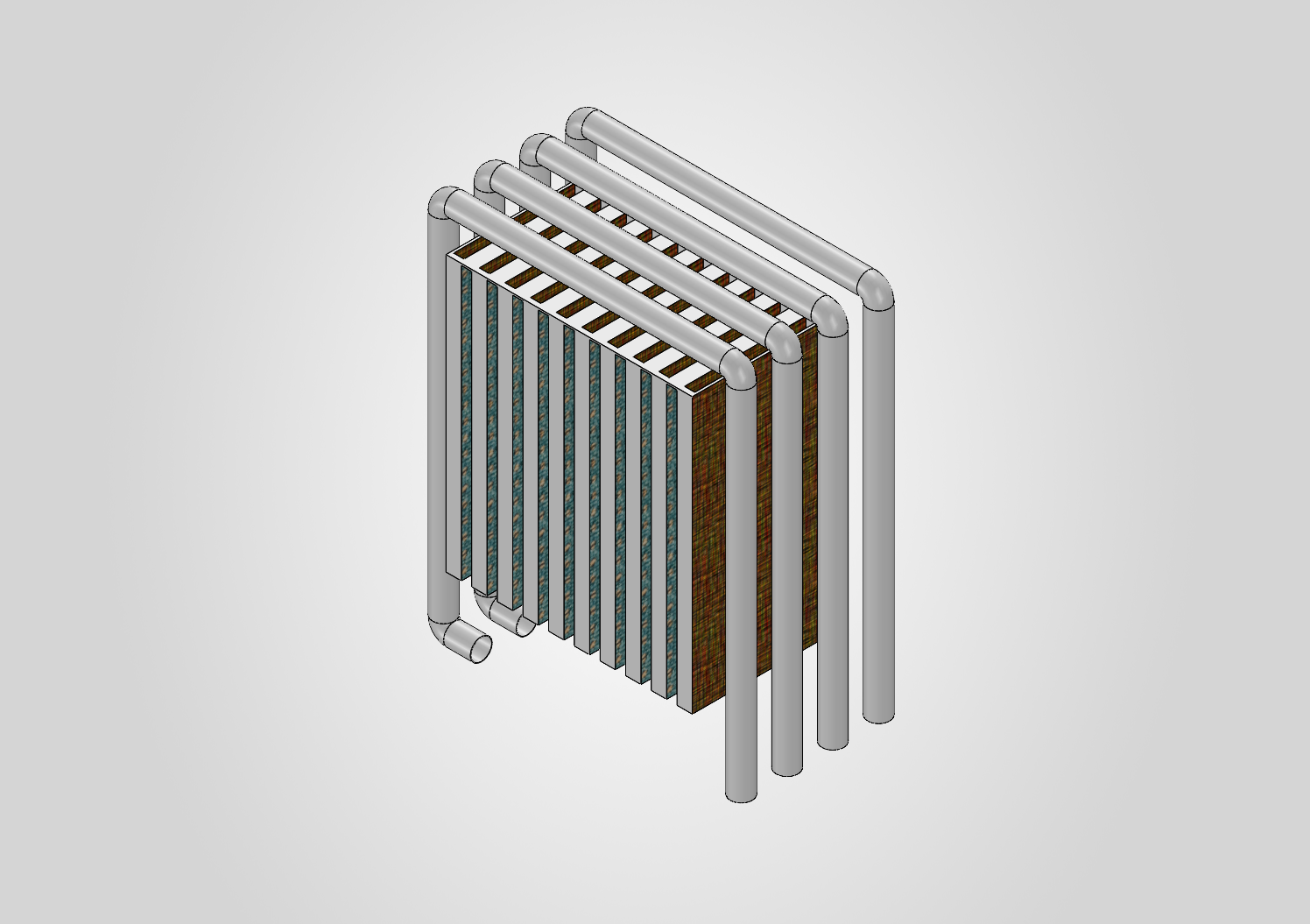
IEC
Pre cools incoming air through indirect heat exchange without directly adding moisture to the supply air
Material: Aluminium
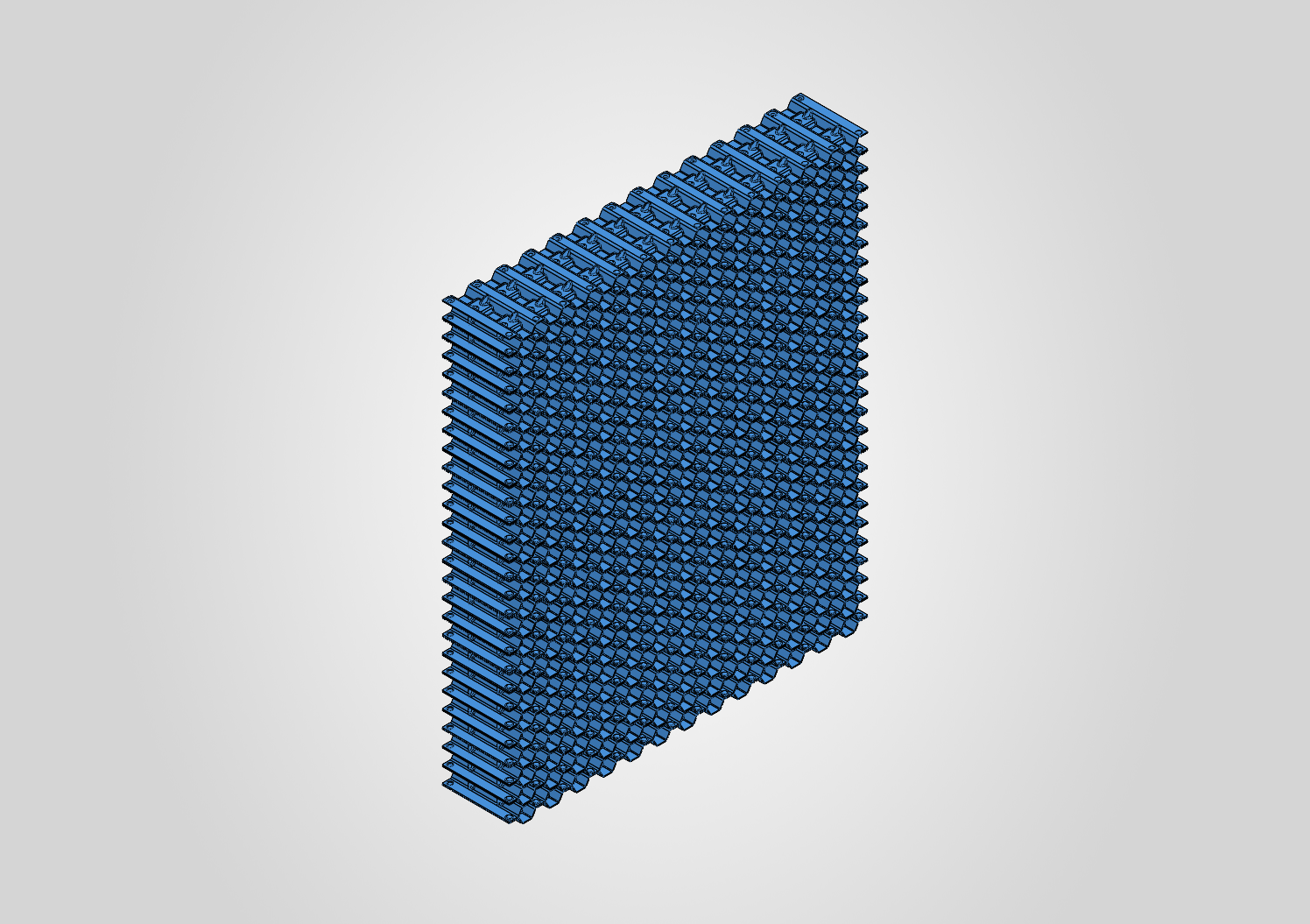
DEC
Cools air through water evaporation and reducing air temperature while increasing humidity
Material: Confidential
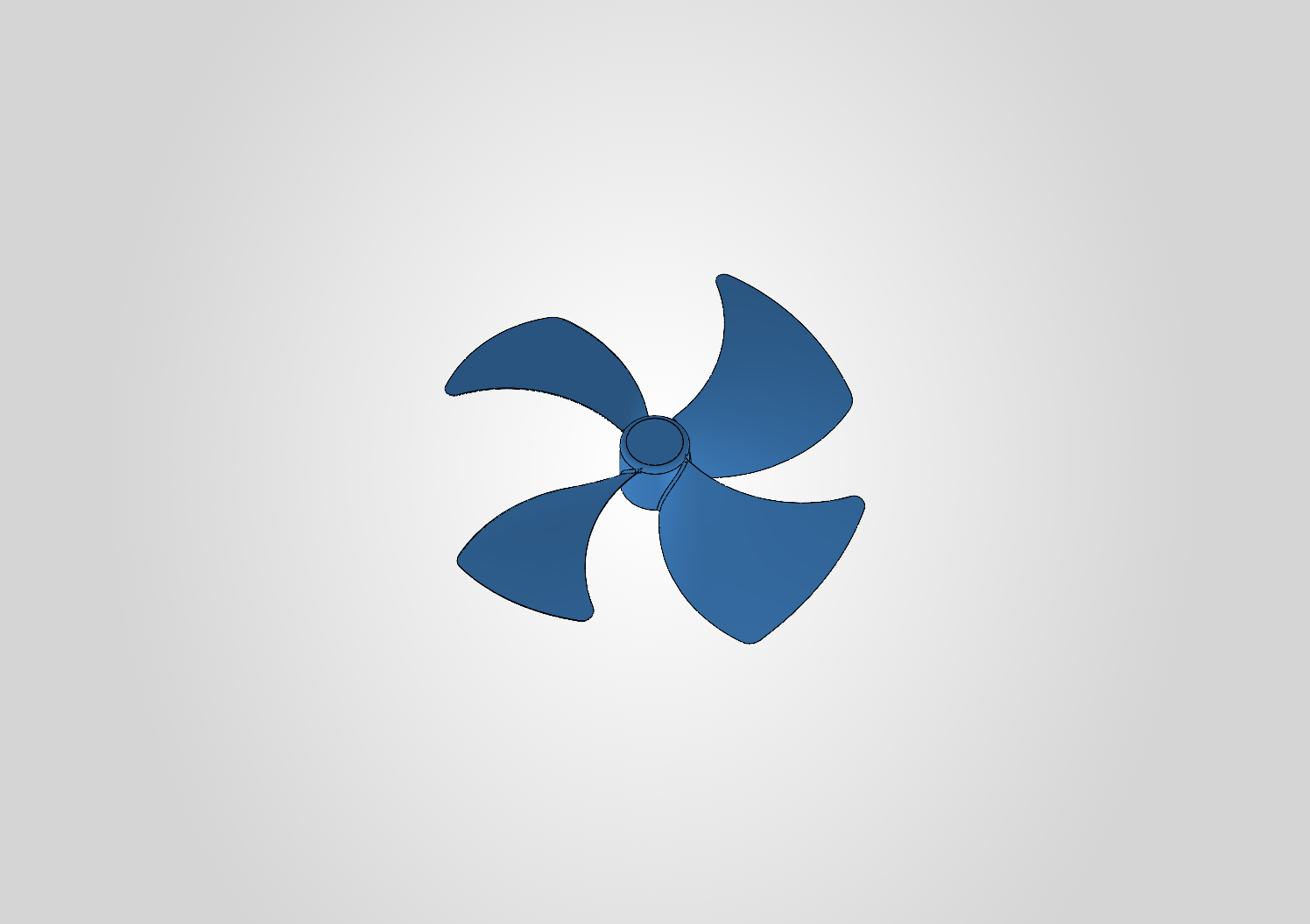
Blower
Air is blown inside from it to enter the DEC
Material: ABS plastic
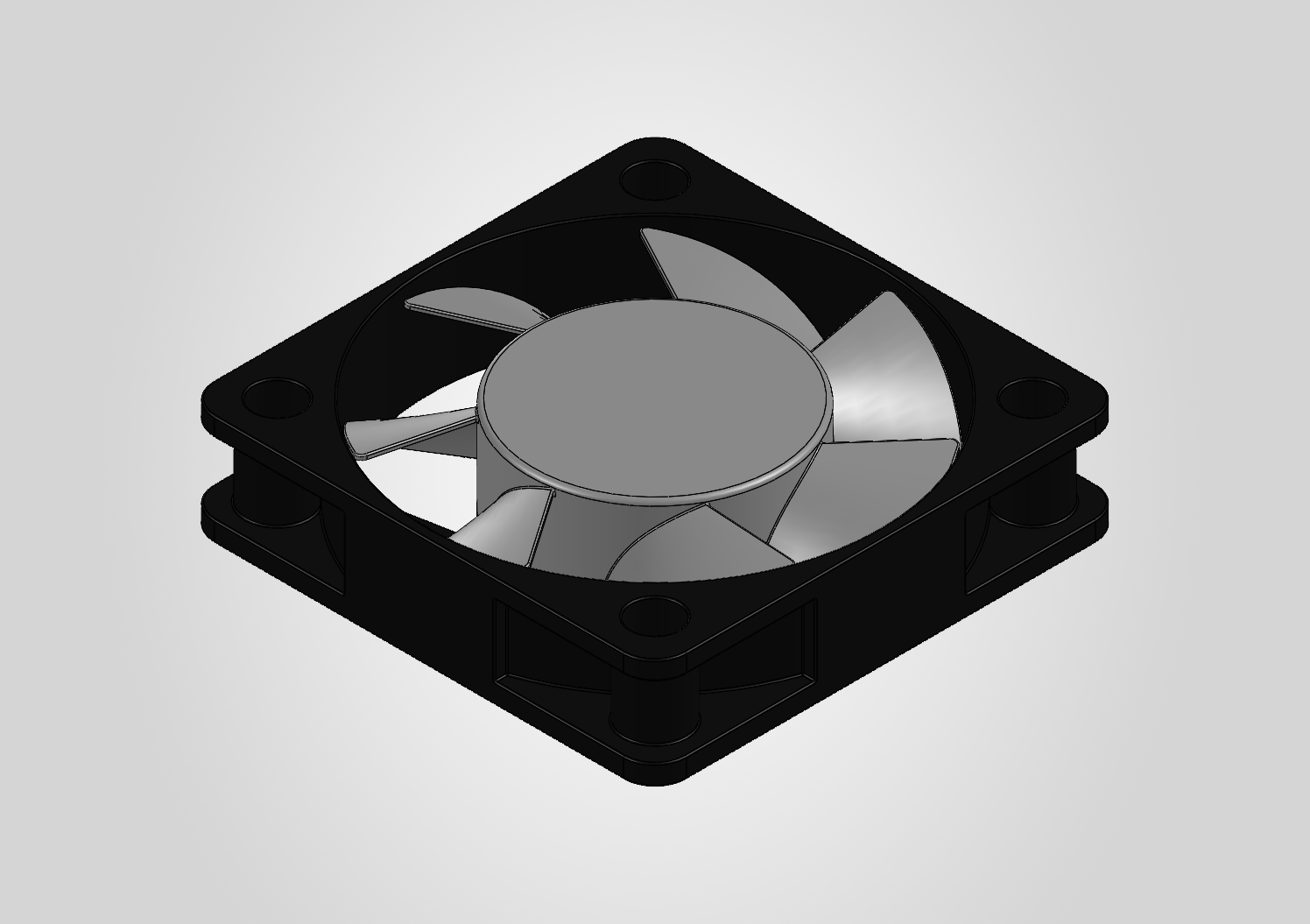
Exhaust
Removes hot air from the system outside IEC
Material: ABS plastic and sheet metal
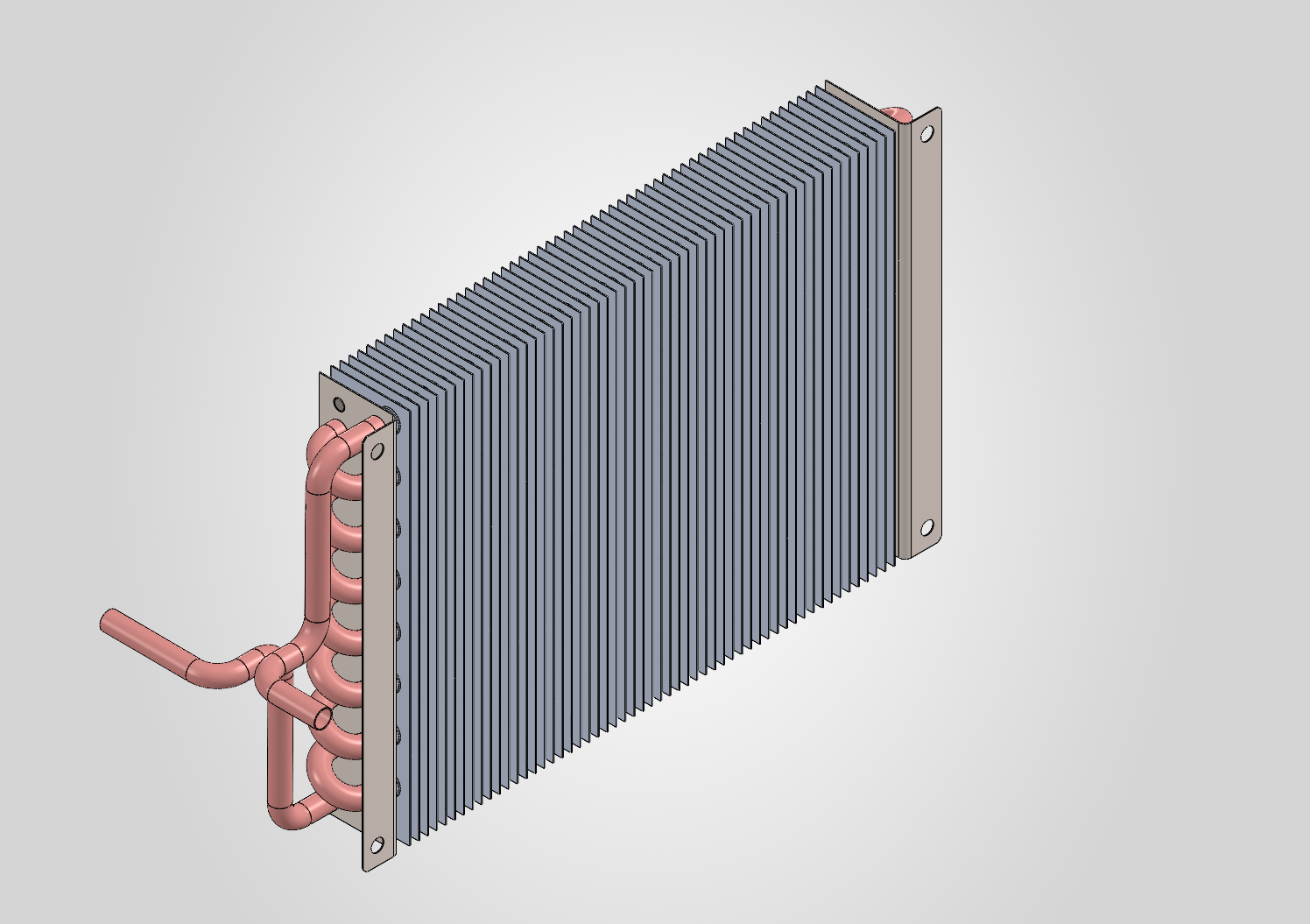
Heat Exchanger
Transfers heat between fluids or air streams to support the cooling process
Material: Copper tubes with aluminium fins
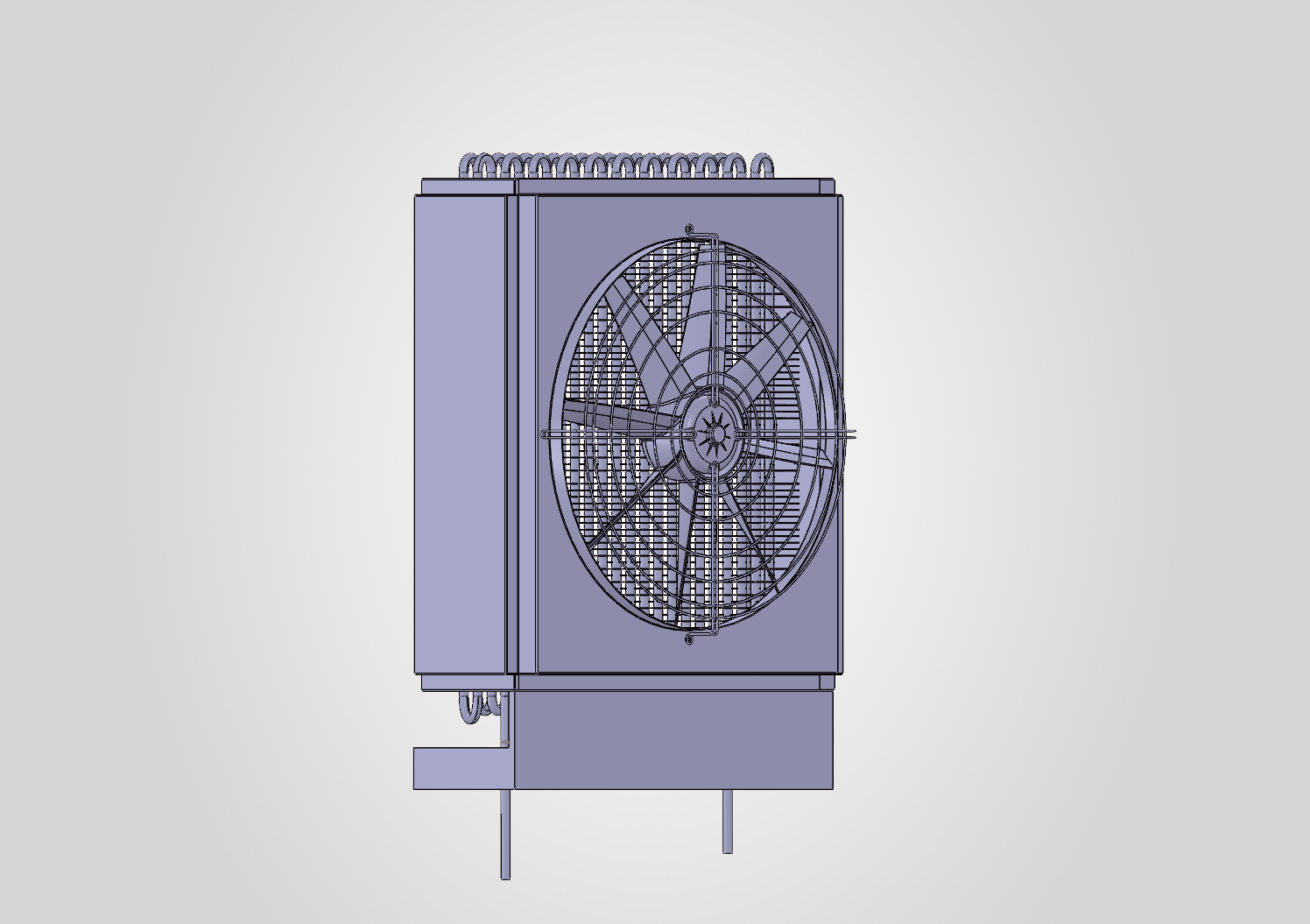
Compressor
Compresses refrigerant and circulates it through the DX cooling circuit
Material: Copper windings, steel casing and internal metal components
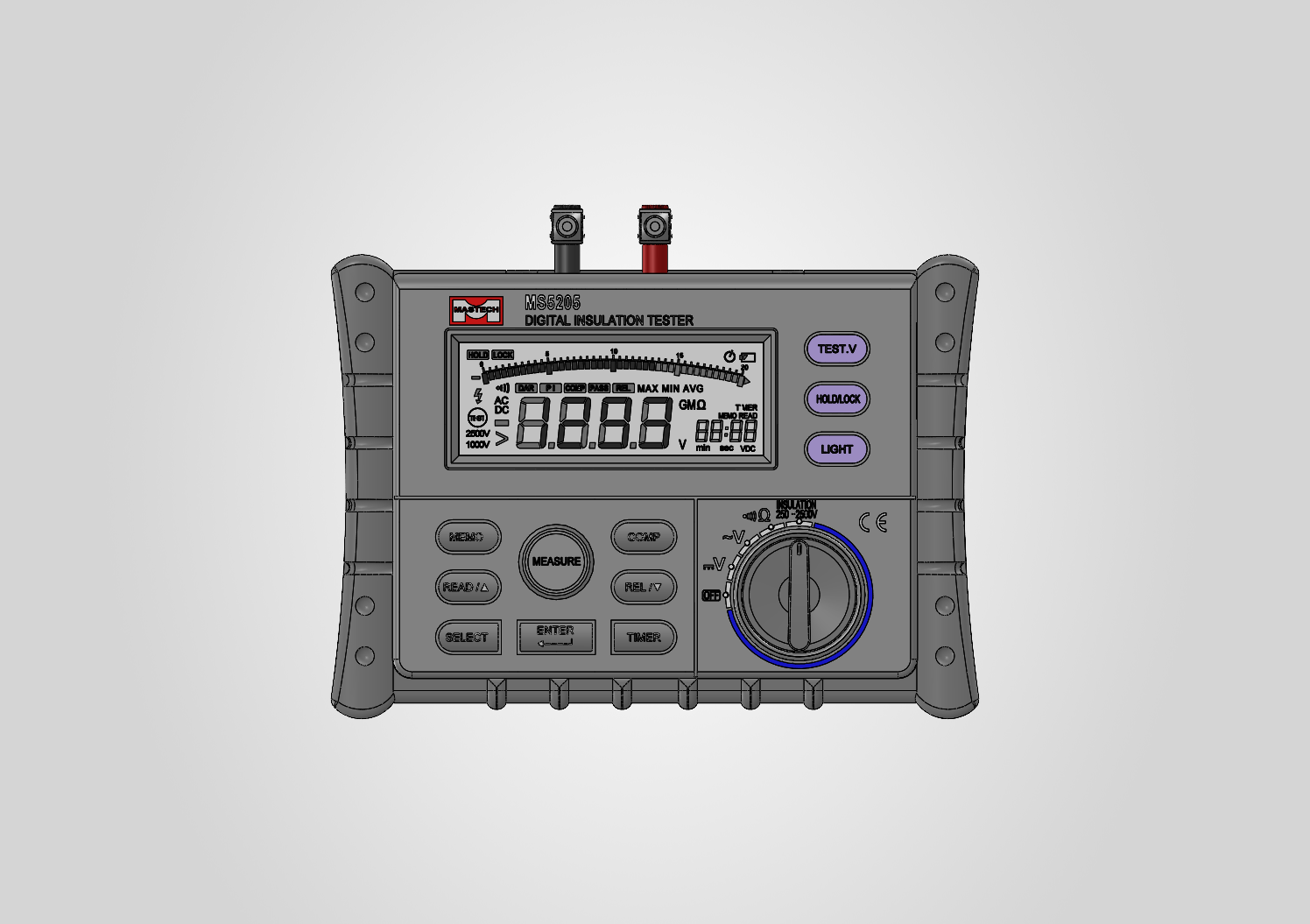
Monitor
Displays system readings and allows the user to monitor operating parameters
Material: ABS plastic casing with electronic components
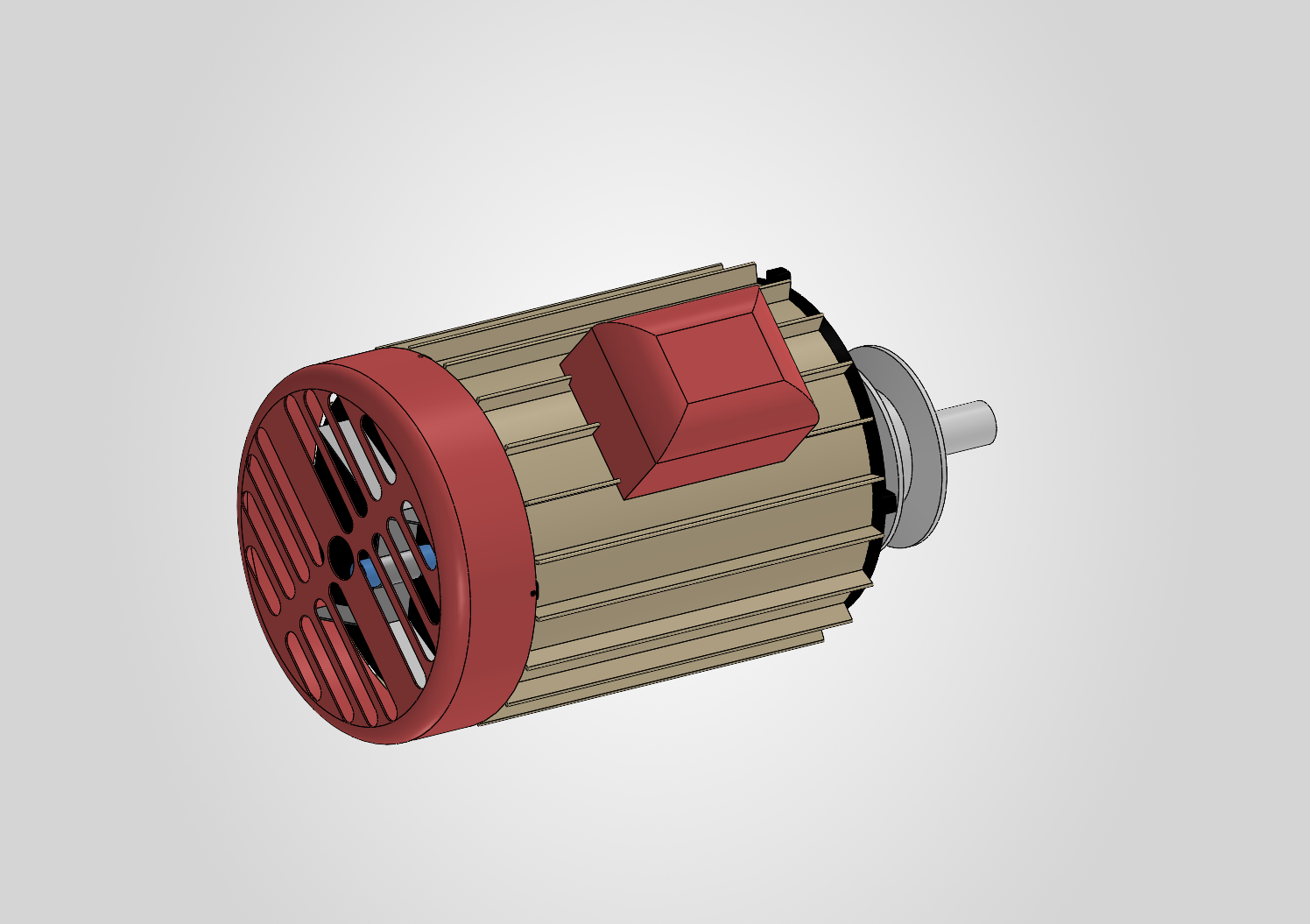
Motor
Used for functioning of blowers and exhaust
Material: Steel casing and copper windings